

Nutrition School Taught Me A Lot. Eating Disorder Training Taught Me More.
Nutrition school taught me the science of food, but years of working across inpatient, residential, PHP, IOP, and outpatient eating disorder treatment taught me something even more important: eating disorders are rarely just about food. Here's how specialized training, clinical experience, and curiosity shaped the way I support clients today.

Do I Need an Eating Disorder Dietitian if I Don’t Have Anorexia
You don't need a diagnosis, a particular body size, or a crisis to benefit from nutrition support. In this article, learn seven signs that working with an eating disorder dietitian may help you build a more supportive and less stressful relationship with food.

Why Comparing Your Meals to Social Media Can Backfire
Social media can be a great source of meal inspiration, but relying on a nutrition influencer's daily meals as a blueprint for your own can do more harm than good. Learn why comparing your meals to others may leave you feeling confused, restricted, or disconnected from your body's actual needs.

Do You Get Sick Every Back-to-School Season?
Every back‑to‑school season, parents brace for the same cycle: new classrooms, new sports teams, new routines… and suddenly, you’re sick. Again. Yes, germs play a role — but your immune system’s capacity matters just as much. When stress spikes and predictable eating disappears, your body doesn’t get the steady fuel it needs to fight off illness. If you’re rushing kids to practice, juggling work, skipping meals, or running on caffeine, underfueling may be weakening your immune system long before the first sniffle shows up.

Fatigue isn’t a personality trait - it’s a signal.
Fatigue isn’t about “trying harder.” It’s physiology - and your body deserves steadier fuel. This blog breaks down why energy drops, how nutrition supports it, and what realistic eating rhythms can help you feel more human again.

UnitedHealthcare Dietitian in North Carolina
In‑network UnitedHealthcare nutrition counseling for North Carolina adults. Virtual sessions for hypertension, cholesterol, diabetes, binge eating, emotional eating, and GLP‑1 support. Most UHC members pay $0.

Oregon Nutrition Counseling (Virtual) for Adults | Weight‑Inclusive Dietitian
Weight‑inclusive, trauma‑informed virtual nutrition counseling for Oregon adults seeking calmer eating patterns, reduced food stress, and practical support. Serving Portland, Bend, Eugene, Salem, Medford, Corvallis, and all rural Oregon regions

What I Learned About Nourishment From Plate Lunch
Learn how predictable meals and practical nourishment can reduce food stress and support steadier eating habits with virtual nutrition counseling in Oregon.

Virtual Nutrition Counseling for Adults in Charlotte, North Carolina
Virtual nutrition counseling for adults in North Carolina. Get evidence-based support for chronic conditions, GLP-1 medications, and sustainable eating habits—with many UnitedHealthcare, Cigna and Aetna plans covering virtual visits.
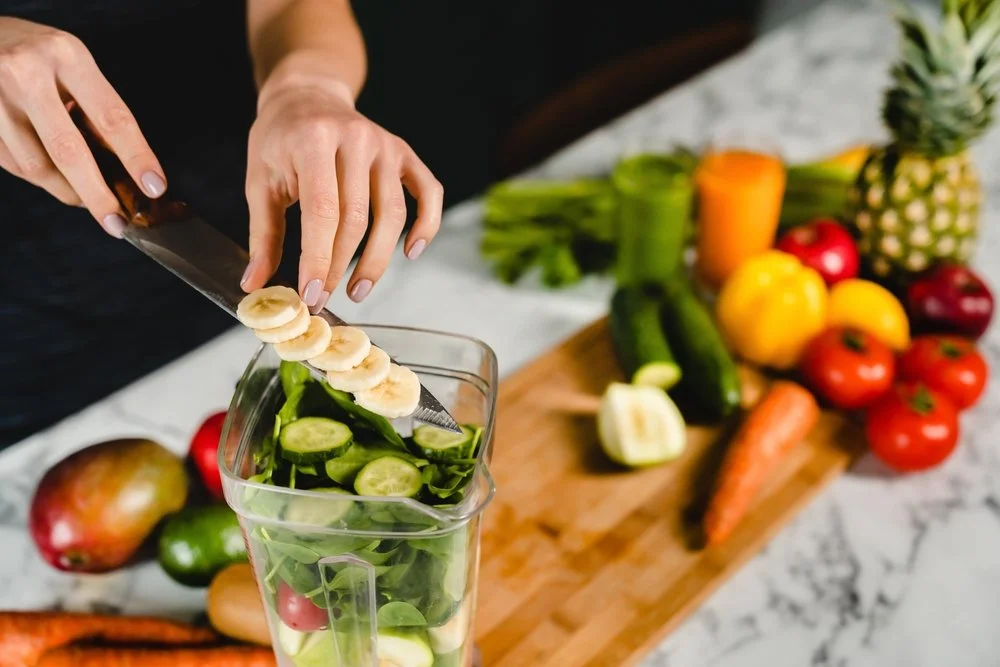
Not Eating Enough vs Restriction: Why Intention Matters More Than You Think
Many adults confuse not eating enough with restriction. Stress, elevation, outdoor lifestyles, and busy days can suppress appetite in Colorado and Oregon. Here’s how to tell the difference and how predictable eating helps.
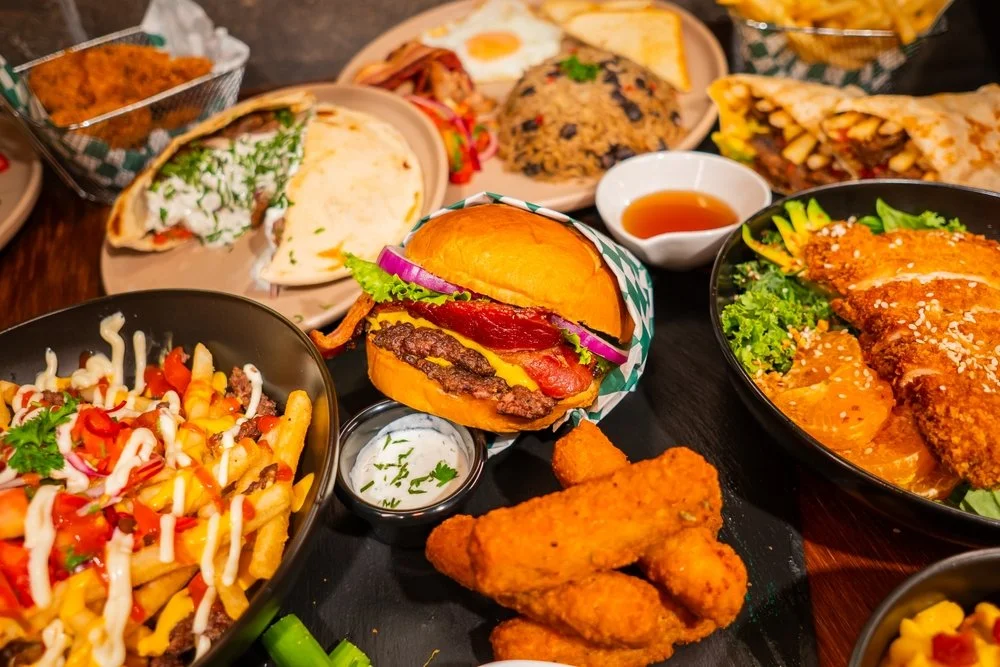
What Predictable Eating Actually Looks Like (Without Dieting or Food Rules)
A practical, weight‑inclusive look at predictable eating for Oregon adults who want steadier, calmer eating patterns without dieting or rigid rules.

Why Eating Feels Harder Under Stress: A Practical Guide for Oregon
A practical, Oregon‑specific guide to why stress disrupts appetite and how predictable, supportive eating patterns help you feel steadier and less chaotic around food.

When You’re Caring for Everyone Else, Eating Gets Complicated (Colorado + Hawaiʻi Edition)
A deep, culturally grounded look at how caregiving shapes appetite in Hawaiʻi and Colorado - and why predictable eating becomes essential when you’re feeding everyone else before yourself.

How Stress, Appetite, and Predictable Eating Interact in Real Life
A practical, weight‑inclusive guide to how stress affects appetite and why predictable eating helps stabilize hunger cues, reduce food noise, and make eating feel more manageable.

Registered Dietitian vs Nutritionist
A clear, NC‑specific breakdown of the difference between Registered Dietitians and nutritionists — and why insurance only covers care from licensed RDNs.
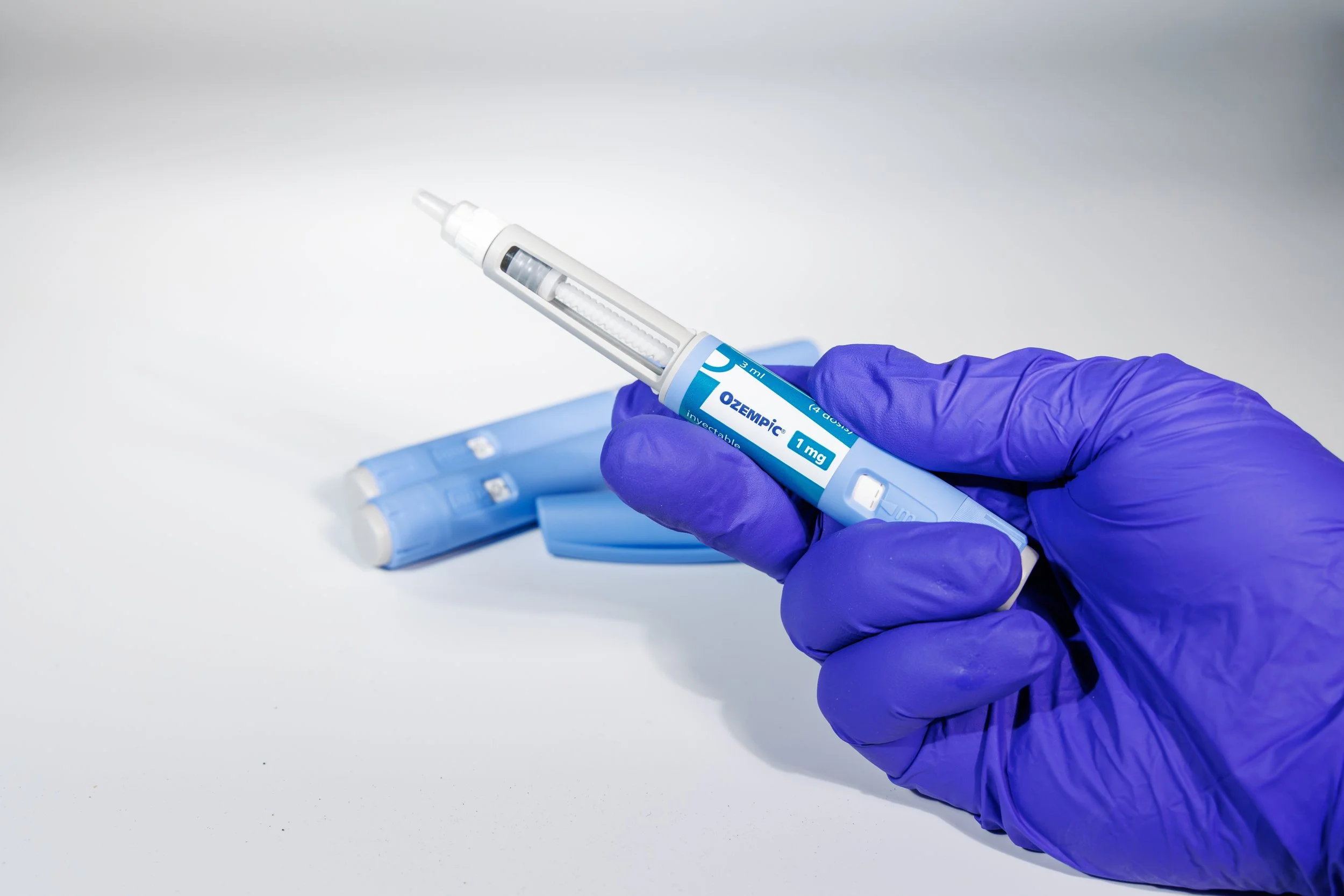
Nutrition Support During GLP‑1 Use: What to Eat on Ozempic, Wegovy, or Mounjaro
A clear, non‑diet guide for North Carolina adults using GLP‑1 medications like Ozempic, Wegovy, or Mounjaro. Practical support for appetite changes, digestion, nausea, and consistent eating - often covered by UnitedHealthcare, Cigna and Aetna

Virtual Eating Disorder Nutrition Support for NC Adults
Virtual, trauma‑informed eating disorder nutrition support for adults across North Carolina. Non‑diet care for restriction, binge eating, purging, ARFID, chronic dieting, and appetite dysregulation - often covered by UnitedHealthcare.

Prediabetes Nutrition Support in North Carolina
Virtual, in‑network prediabetes nutrition support for adults across North Carolina. Practical, non‑diet guidance for blood sugar stability, consistent eating, and long‑term health — often covered by UnitedHealthcare, Aetna and Cigna.