
Nutrition Support During GLP‑1 Use: What to Eat on Ozempic, Wegovy, or Mounjaro
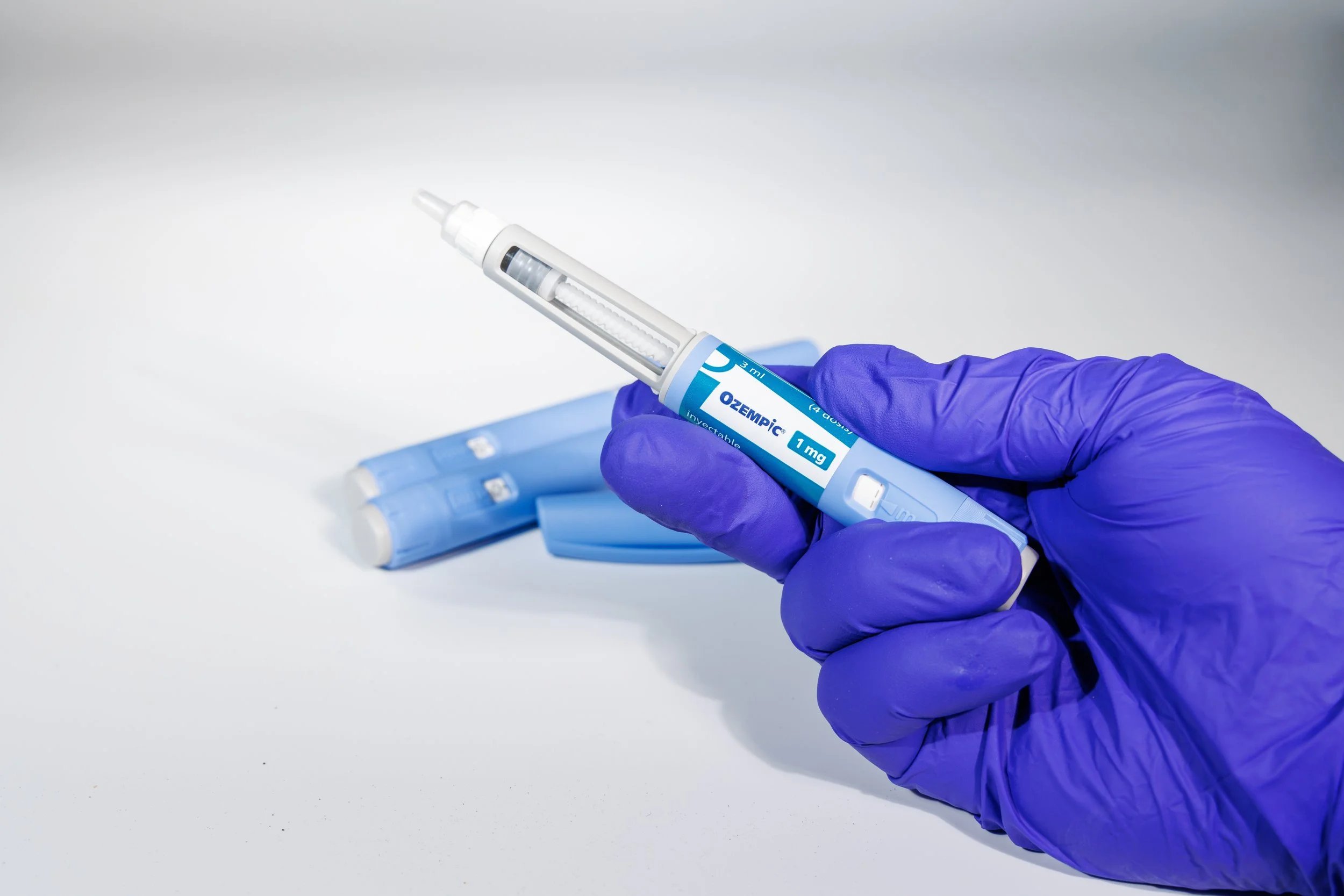
If you’re an adult in North Carolina using a GLP‑1 medication, this guide offers clear, non‑diet nutrition support that’s accessible, virtual, and often covered by UnitedHealthcare.
GLP‑1 medications like Ozempic, Wegovy, and Mounjaro can change appetite, digestion, and how your body responds to food. Many people feel unsure about what or how much to eat, and the internet is full of conflicting advice. My approach is simple: I meet you exactly where you are. If GLP‑1 use is part of your care plan, we work together to help you use it safely, sustainably, and in a way that supports your overall well‑being — not dieting, not restriction, not pressure.
This guide blends clear clinical guidance with a HAES‑aligned, trauma‑informed approach, so you can feel supported and confident in your nutrition choices.
Why Nutrition Support Matters During GLP‑1 Use
GLP‑1 medications can affect:
Appetite and fullness cues
Digestion and GI comfort
Muscle mass
Hydration
Energy levels
Meal consistency
Blood sugar patterns
Many adults in North Carolina are using GLP‑1 medications as part of their care plan. Nutrition counseling helps you understand these changes and respond in a way that supports your health, your routines, and your long‑term stability. Many insurance plans, including UnitedHealthcare, cover this type of support.
Eating Enough: The Most Important Foundation
One of the biggest challenges with GLP‑1 medications is under‑fueling. Appetite often drops quickly, but your body still needs consistent energy.
A supportive, non‑diet approach includes:
Gentle reminders to eat regularly
Small, frequent meals if larger ones feel overwhelming
Easy, low‑effort foods on days appetite is low
Strategies to prevent long gaps without eating
This isn’t about forcing food — it’s about keeping your body nourished so you feel steady and supported.
Protein: Supporting Muscle and Strength
GLP‑1 medications can increase the risk of muscle loss if protein intake drops too low. You don’t need to track numbers or hit perfect targets. Instead, we focus on:
Adding a protein source to most meals
Choosing options that feel easy to tolerate
Using soft or blended proteins if appetite is low
Building meals that support strength and energy
This is about protecting your body, not dieting.
Fiber + Digestion: Keeping Things Moving
Constipation is one of the most common side effects of GLP‑1 medications. Gentle nutrition strategies can help:
Adding fiber gradually
Including fruits, vegetables, whole grains, or seeds
Increasing hydration
Using warm beverages or movement to support digestion
We adjust based on your symptoms and comfort — no rigid rules.
Managing Nausea With Gentle Nutrition
Nausea can make eating feel difficult. Together, we explore:
Bland, easy‑to‑digest foods
Small bites throughout the day
Cold foods if warm foods feel triggering
Hydration strategies that don’t overwhelm your stomach
You don’t have to push through nausea alone.
Fullness Cues Change — And That’s Okay
GLP‑1 medications can make fullness cues feel stronger or show up sooner. This can be confusing, especially if you’re used to relying on hunger cues to guide eating.
We work together to:
✔ Understand your new cues
✔ Build flexible meal patterns
✔ Avoid unintentional restriction
✔ Support your body’s needs even when appetite is low
This is a judgment‑free process.
Insurance Coverage for GLP‑1 Nutrition Support
Many North Carolina insurance plans, including UnitedHealthcare, cover nutrition counseling for:
✔ Preventive care
✔ Chronic conditions
✔ Digestive concerns
✔ Blood sugar support
✔ Heart health
✔ Appetite changes
✔ Medication‑related nutrition needs
Many North Carolina UnitedHealthcare members have coverage for Medical Nutrition Therapy (MNT). Coverage varies by plan, but many members have MNT or preventive nutrition counseling. If you’re unsure, I can help you understand what questions to ask.
Meeting You Exactly Where You Are
My role is not to convince you to start or stop a medication. If GLP‑1 use is what you’ve chosen, we work together to help you use it successfully and safely. You deserve support that respects your autonomy, your lived experience, and your goals.
A Gentle, Grounded Next Step
If you’re in North Carolina and using a GLP‑1 medication and want support with eating, digestion, or building consistent meals, I’m here to help. We’ll focus on what feels doable, supportive, and aligned with your values — no dieting, no shame, no pressure. Just clear guidance and a space where you can feel understood.
I offer virtual nutrition counseling for adults across North Carolina, and many UHC plans include $0 out‑of‑pocket visits.
